
Automation basics
Auto Trading: A Practical Guide to Forex Bots and Risk
Auto trading can handle repetitive order tasks, but you still need to choose the rules, understand the exposure and monitor the setup. This guide explains common systems and how to evaluate them. Examples are hypothetical; no profitable robot is claimed to have been tested.
Quick answer
Understand what the software can do before giving it trade access. Check its entry, exit and sizing rules, include realistic costs in historical testing, then run the unchanged version on demo and rehearse a restart or lost connection.
| System | Main risk to check |
|---|---|
| Signal copier | Sizing and account differences. |
| Trend follower | Repeated losses in sideways markets. |
| Grid or martingale | Growing combined exposure. |
| Arbitrage-style system | Executable prices and account permission. |
- Judge equity drawdown and exposure alongside returns.
- Keep track of the exact software version and settings.
- Confirm platform compatibility and the account’s current rules.
On this page

What auto trading actually automates
A complete system may include market data, a signal rule, position sizing, order submission and ongoing position management. Some tools automate only one stage. A signal alert still needs a person to act; an expert adviser may trade directly when installed with the relevant permissions in a compatible terminal.
A copier follows another account’s activity instead of necessarily analysing the market itself. That provider could use discretionary decisions or another algorithm.
Ask where decisions originate, where the software runs and which component is responsible for closing a position. A clear architecture helps identify what must keep working during an outage.
Automation can also enforce limits, but only if those limits are implemented correctly and remain active. A platform setting, a broker-held stop and a local script are different controls. Verify which protections survive a terminal shutdown and whether another component could accidentally cancel or overwrite them.
Common system types and their different risks
| System | Basic mechanism | Main question before testing |
|---|---|---|
| Signal copier | Translates a provider’s activity into follower orders | How are sizing and account differences handled? |
| Trend follower | Acts on sustained directional conditions | Can it tolerate repeated losses in sideways markets? |
| Grid or martingale | Adds positions or increases size according to its rules | How large can combined exposure become? |
| Arbitrage-style system | Attempts to exploit price relationships or timing differences | Are the assumptions executable and the activity permitted? |
A grid does not always use martingale sizing, and martingale is not simply another word for any losing strategy. Read the actual rules. If position size rises after losses, a high win rate may conceal the possibility of a much larger loss when capital, margin or risk limits are exhausted.
Arbitrage claims require particular caution. Apparent price differences can disappear after costs and execution delays. Some evaluation providers also restrict exploiting delayed prices or other unfair practices. FTMO’s forbidden trading practices illustrate why programme compatibility must be checked before running an automated system in an evaluation account.

What automation can help with
| Potential benefit | Corresponding limitation |
|---|---|
| Consistent rule execution | Incorrect rules can be applied consistently too |
| Less manual entry work | Monitoring, updates and reconciliation remain necessary |
| Repeatable historical testing | Results depend on data and execution assumptions |
| Continuous operation where supported | Outages and market closures still require handling |
Backtests: useful experiments, limited evidence
A backtest applies a rule to historical data under specified assumptions. It can reveal coding errors and show how a strategy behaved in a sample, but it does not reproduce every live constraint. Spreads, commissions, swaps, data quality and order sequencing can materially change the result.
The MetaTrader 5 Strategy Tester guide documents testing modes, forward testing and execution-related settings. Use the mode appropriate to the strategy. A system reacting inside a candle needs more detailed modelling than one making a single decision after a daily close.
Inspect equity as well as balance. Balance may remain smooth while open positions accumulate losses. Record maximum drawdown, largest exposure, consecutive losses and the contribution of the best few trades. A result dominated by one unusual period is less informative than the headline total suggests.
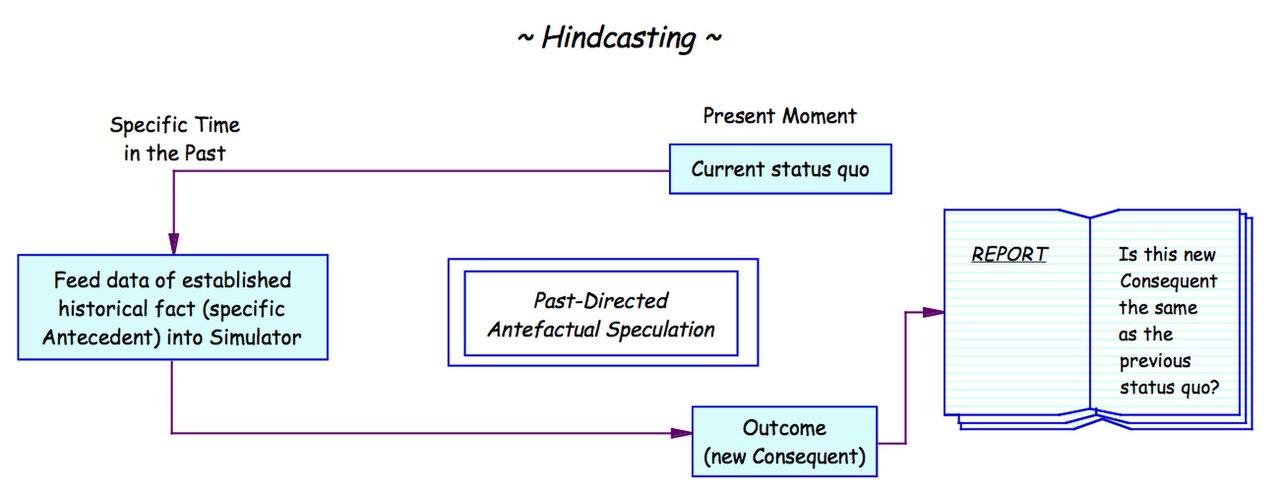

Curve fitting means adjusting rules until they match historical noise. If you try hundreds of versions and show only the winner, the result leaves out that selection process. Save the changes, reserve unseen data and check nearby settings. One spectacular result is a reason to investigate, not proof.
Try the unchanged system on demo
After historical testing, run the unchanged version on demo and compare actual instructions with the intended rules. Log rejections, spread-related skips, restarts and unexpected position sizes. A forward test is especially useful for finding operational differences that a historical report cannot expose.
Set acceptance criteria before observing the results. For example, require correct sizing, no unexplained duplicate orders and a documented response to a disconnect. Financial thresholds should fit your own risk capacity; this article does not prescribe a universal profit target, test duration or acceptable drawdown for every strategy.
Do not move to real money simply because a short test was profitable. Consider whether the sample includes enough relevant market conditions and whether costs were realistic. If any live trial is appropriate, use risk you can afford to lose and define a stop condition in advance.
Building a compatible MT4 or MT5 setup
Confirm the exact platform version and programming environment. An MT4 expert adviser does not automatically run on MT5. Check supported instruments, account position mode, volume increments and required permissions. Obtain software through a verifiable source and understand how updates are delivered before granting trade access.
Decide where it will run. A local terminal needs a dependable computer and connection; a compatible hosted service can reduce dependence on the home machine. Avoid two active copies managing the same account unless the design explicitly supports it. Keep a record of the active instance and configuration version.
Then rehearse recovery on demo: disconnect the terminal, restart the host and inspect existing broker positions before enabling the strategy again. Never assume the program knows what happened while it was offline. Its recovery logic should reconcile working orders and positions before generating new activity.
Check the sales pitch and account rules
The CFTC’s advisory on AI trading bots warns about exaggerated claims and fraud involving automated technologies. A promised return, secret predictive engine or pressure to pay quickly should trigger scrutiny. Genuine software functionality and investment performance are separate questions.
For evaluation accounts, review our common mistakes in funded trading accounts, then check the actual programme terms. Loss calculations, news restrictions and automation policies vary. A technically functioning strategy can still be incompatible with the account rules.
If you trade exchange contracts, the best bot for trading futures guide addresses a different set of instrument and platform considerations. Do not assume a forex robot can trade futures safely after changing a symbol name. Contract values, sessions and expiry require specific handling.
Keep track of the version you tested
Create a short record for every tested version: file identifier, settings, supported instruments, data period, cost assumptions and known limitations. Save the written rule alongside the results.
If a vendor updates the program, treat that as a new version requiring review rather than silently combining its results with those of the previous release.
For a hypothetical trend system, specify whether a crossover is evaluated on a completed candle and whether an existing position blocks another entry. Those small decisions can change exposure and historical results. Describe how conflicting instructions are resolved before letting the software encounter them in an account.
Separate strategy losses from operational faults. Investigate incorrect sizing or duplicate orders before resuming, even if the final trade was profitable.
Frequently asked questions
Can auto trading guarantee a passive income?
No. Software can automate orders, but strategies still lose money and systems need monitoring. Historical returns do not establish future income or suitability for your finances.
Is a high win rate enough to choose a robot?
No. You also need the size of gains and losses, costs, open exposure and drawdown. One large loss can outweigh many small winning trades.
How is forward testing different from a backtest?
Backtests apply rules to historical data using assumptions. Forward tests observe an unchanged system as new data arrives, often on demo. Neither guarantees future live results.
Start with a documented demo plan
Start auto trading with a written demo plan: permissions, exposure limits, cost assumptions and recovery steps. Keep the first version unchanged while you learn its behaviour, and record faults as carefully as wins. A useful test helps you reject unsuitable systems; it cannot promise future profit.
Disclaimer
Educational information, not personal investment advice. Leveraged trading can cause substantial losses. Product availability, provider rules and costs vary by jurisdiction and can change. No affiliate links are used, and no returns or rankings are guaranteed.