
Trading technology
Data Flow and Execution Speed in Copy Trading: A Clear Guide
Data flow and execution speed in copy trading can change the position you receive and the price you pay. Follow the journey from the provider’s instruction to your broker’s fill, then measure where the delay occurs. Numerical examples below are hypothetical.
Quick answer
Measure the whole journey: signal detection, account checks, submission, acknowledgement and final fill. A low ping covers only network travel. Compare both entry and exit differences, and record instructions that were missed, rejected or duplicated.
| Stage | What to check |
|---|---|
| Signal detection | When the copier notices the event. |
| Account checks | Symbol mapping, size and margin. |
| Submission | Whether the broker received the order. |
| Broker handling | Rejection, partial fill or final fill. |
| Recovery | Orders and positions after a restart. |
- Align clocks and define what each timestamp measures.
- Check copied size and symbol mapping as well as speed.
- Use demo tests to investigate the actual service.
On this page

How the copying data flow works
First, the source account produces an event: an opening trade, an amendment or a closure. Depending on the service, the event may originate from a platform server, a connected terminal or a separate integration. The copying system identifies the subscription and decides whether the follower is eligible to act.
Next comes translation. The follower may have a different balance, account currency, symbol name, contract size or minimum order increment. A sensible system applies its sizing rules and exposure limits before sending an instruction. A provider’s one-lot order should never be assumed to mean one lot on every subscriber account.
Finally, the destination broker accepts, rejects or executes that instruction according to its order model and available market conditions. Acceptance and execution are different events. A market order might fill at a changed price; a limit order might remain unfilled. Copying the instruction cannot guarantee duplication of the provider’s result.
The MetaTrader 5 Signals documentation describes the platform’s subscription and copying workflow. Treat it as documentation for that service, rather than a description of every proprietary copier. The wider social trading platforms technology stack explains how these components fit together.
Data flow and execution speed in copy trading: the latency budget
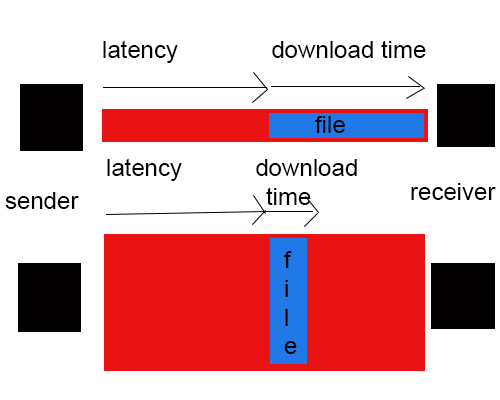
Separate network transit, platform processing, copying-service queues and broker execution. Network latency measures travel between endpoints. Application processing includes authentication, validation and scheduling. Broker execution covers the interval after submission until a fill or other final order state. Combining everything into a single “ping” hides the cause of poor results.
This invented 250-millisecond example shows how the delay can be split up. These are teaching values, not measured benchmarks.
| Stage | Invented delay |
|---|---|
| Signal detection | 40 milliseconds |
| Transport | 60 milliseconds |
| Copying and checks | 50 milliseconds |
| Broker handling | 100 milliseconds |
| Total | 250 milliseconds |
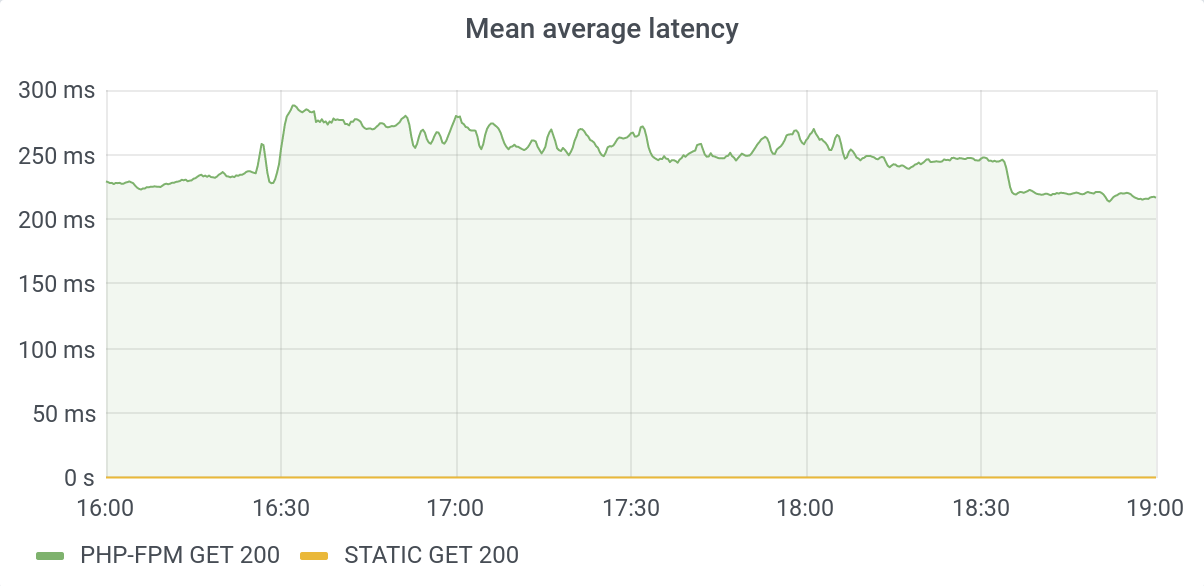
The slowest stage can also change during the session. A lightly loaded copying server may process quickly at lunchtime but accumulate a queue during a widely followed news release. An average across the whole day can conceal precisely the delays that matter to a short-lived entry.

Run a fair speed test
Choose one account pair, one symbol mapping and one order type before measuring. Record the platform versions, account modes, hosting locations and subscription settings. Use matching position-sizing assumptions. Otherwise, a larger follower order or a different instrument can make the comparison misleading before network speed enters the picture.
Log at least these event times: provider event observed, copier event received, follower order submitted, broker acknowledgement and final fill. Include an event identifier so a retried instruction is not counted as a new trade. For closes and amendments, record the previous state as well as the requested state.
Synchronise clocks where possible and record their time zones and precision. Two machines with clocks a second apart can produce an apparently negative delay. For durations within one application, a monotonic timer avoids errors caused by clock corrections. Cross-system comparisons still require careful clock alignment.
For data flow and execution speed in copy trading, one average is not enough. Show the typical delay, slower outliers and sample size. Count missing instructions, rejections, partial fills and duplicates too. A missed close can matter more than a few extra milliseconds on a successful entry.
Understand price differences
Slippage is the difference between a chosen reference price and the actual fill. State that reference: the provider’s fill, the follower’s submission quote or an executable quote observed elsewhere. These are different comparisons. Without the definition, a slippage number may say little about the copying system itself.
A follower can receive a worse price because the market moved, the spread widened, liquidity changed or the order was larger. Positive slippage is also possible. Requotes depend on the broker’s execution arrangements; they should not be presented as a universal feature of all market orders or all platforms.
Consider a hypothetical buy copied at a price three pips above the provider’s fill. Calculate the cash effect using the follower instrument’s pip value and actual size. Then include commissions and exit differences. An entry that looks only slightly delayed can substantially change a strategy seeking very small price moves.
What a VPS can and cannot improve
A virtual private server (VPS) can keep a terminal running when your home computer is off and may reduce the distance to a broker’s server.
Its usefulness depends on where the copying logic runs. A server-managed copying service might not benefit from moving the subscriber’s laptop or adding a separate terminal host.
The MetaTrader virtual hosting guide describes hosting for robots and signals. Check migration, permissions and monitoring requirements before moving a setup. A migration that leaves two active trade senders can create a much larger problem than the latency it was meant to solve.
Do not confuse a nearby cloud region with exchange colocation. They involve different infrastructure and access arrangements. Ask which endpoint is being measured, whether the number is a round trip and whether it includes order processing. A low network ping is useful evidence about connectivity, not a guarantee about fills.

MT4, MT5 and proprietary copying stacks
A terminal-based bridge, a broker-hosted integration and a proprietary social platform expose different parts of the journey. Before comparing brands, establish where signals are detected, where risk checks occur and who submits the destination order. “Server-side” alone does not answer those questions or prove reliable recovery after a failure.
Platform-specific handling matters after submission. The Sierra Chart automated trading documentation illustrates the importance of order and position management in automated systems. It is not a benchmark of MetaTrader or a recommendation to substitute one platform for another.
Ask every provider how it handles a dropped connection, a restarted service and an amendment arriving before its original order. It should reconcile broker state rather than blindly replaying every message. A log saying “sent” is insufficient if the destination account never accepted or executed the intended action.
Our auto trading guide explains why execution reliability and strategy quality require separate evaluation. Even perfect delivery cannot rescue an unsuitable strategy, excessive sizing or a provider whose historical results depended on risks you cannot tolerate.
A practical demo measurement worksheet
Create one row per copied event, with identifiers, timestamps, requested size, submitted size, fill price, costs and final status. Add a notes field for disconnections and manual interventions. Protect account identifiers when sharing the sheet, and never include credentials, authentication tokens or private subscription keys.
Repeat the same plan over several sessions rather than drawing conclusions from one unusually clean morning. Preserve the unsuccessful runs.
If you change hosting or subscription settings, mark a new test version so results remain comparable. Demo testing reveals workflow problems, but it cannot establish live liquidity or future execution quality.
Decide whether the delay matters
Compare latency distributions with the strategy’s actual opportunity window. A modest delay may have little relevance to a position held for days, yet materially alter a strategy targeting a small movement. That judgement requires the entry and exit differences together, not a speed figure detached from the trade economics.
If a new host improves ping without improving fills, investigate the remaining stages before spending more. Record test conditions and operating costs.
Frequently asked questions
Does a lower ping guarantee better copy trading results?
No. Ping covers network travel, while copying also involves queues, account checks and broker handling. Compare the full event journey and actual entry and exit differences.
Why can my copied position differ from the provider’s?
Account size, contract specifications, volume increments and margin can change the copied quantity. Timing, spreads and rejected instructions can also change the follower’s position or price.
What is a good execution-speed benchmark?
There is no universal speed target. Define the measured stages and compare typical delays, outliers and failures against the strategy’s holding period, costs and risk limits.
Test the complete journey before committing capital
Test data flow and execution speed in copy trading on demo with a written measurement sheet. Check delivery, sizing, fills and recovery together. Ask what a speed claim actually measures, then keep monitoring: a clean test does not establish future live results.
Disclaimer
Educational information, not personal investment advice. Leveraged trading can cause substantial losses. Product availability, provider rules and costs vary by jurisdiction and can change. No affiliate links are used, and no returns or rankings are guaranteed.