
Trading technology
Social Trading Platforms Technology Stack: A Practical Guide
A social trading platforms technology stack connects the community you see with the systems that handle permissions, signals, risk and orders. This reference architecture explains what each part should do; it does not describe a named company’s private implementation.
Quick answer
Look for clear ownership of permissions, signals, risk checks, broker orders and account records. The crucial test is what happens when something fails: the system should check confirmed broker state before repeating an uncertain instruction.
| Part | Main job |
|---|---|
| Identity and API | Check access and permissions. |
| Signal engine | Translate provider actions into instructions. |
| Risk checks | Apply account and exposure limits. |
| Order management | Track requests, fills and rejections. |
| Broker integration | Map instruments and account rules. |
| Audit trail | Keep an explainable event history. |
- Keep public analytics separate from the order path.
- Use event identifiers to recognise repeated instructions.
- Check recovery, monitoring and jurisdiction-specific obligations.
On this page
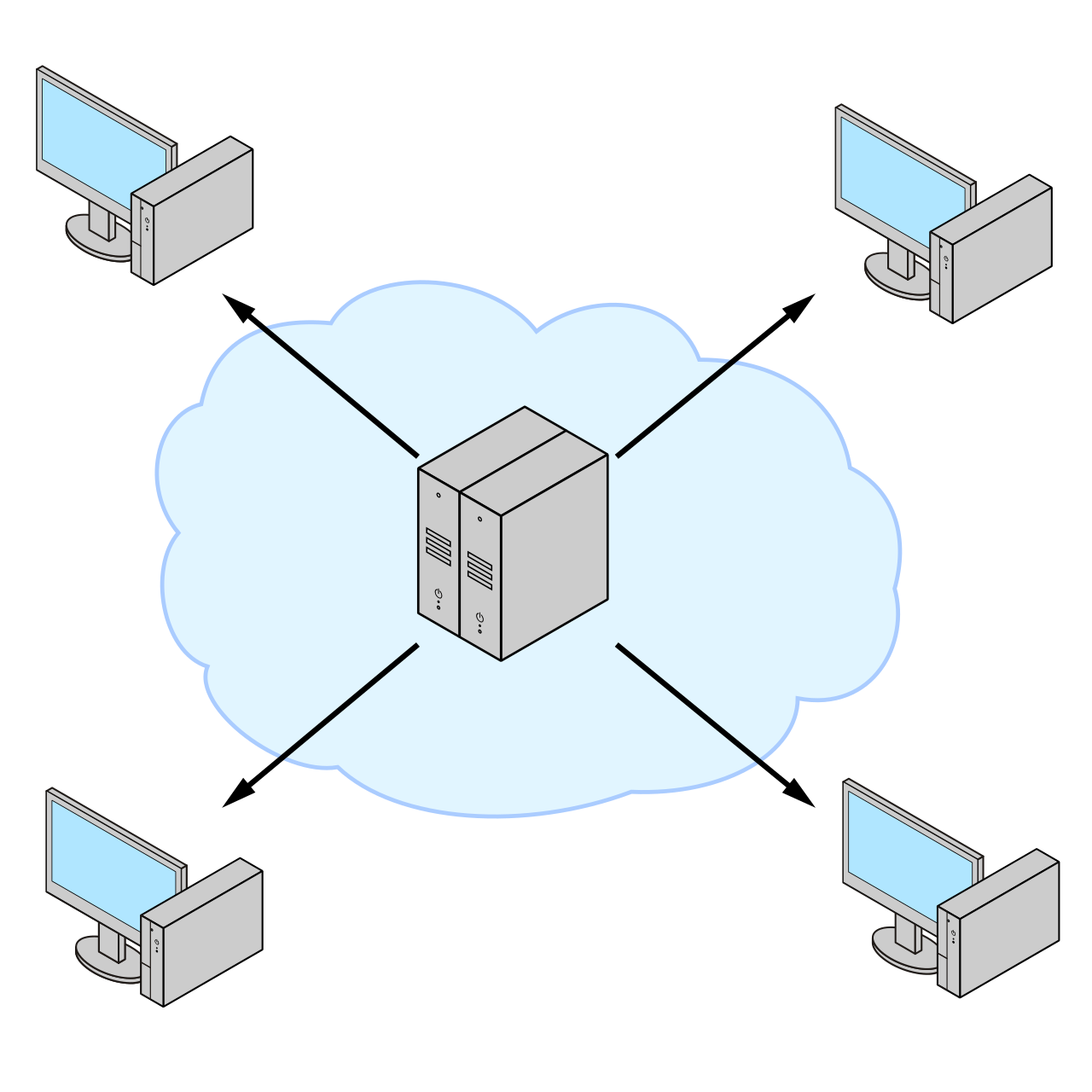

Social trading platforms technology stack: the essentials
The frontend displays profiles, performance information, subscription settings and account controls. It should distinguish realised returns from open-position exposure and show the period behind a statistic. Clear warnings, accessible controls and an obvious copying stop function matter as much as a responsive chart or attractive trader card.
An API is a software connection between services. This layer checks who is asking and what they may do. Reading a profile, changing a subscription and placing a trade need different permissions. Keep broker credentials and unrestricted trading access out of browser code.
The signal engine converts source-account events into normalised instructions. It identifies the provider, instrument, action and version, then passes the event for subscription matching.
The order management system, or OMS, tracks destination instructions through their lifecycle. A separate risk layer checks exposure, account restrictions and whether the proposed action is permitted.
These are logical responsibilities, not mandatory products to buy. The MetaTrader Signals documentation provides a concrete example of a subscription-based trading service. Its workflow can inform questions, but should not be used to infer the proprietary architecture of unrelated copying platforms.
Send the right signal to the right account
When a provider changes a position, give that event a permanent identifier. A queue can share the work across followers, but connections fail and messages get retried. The receiving service should recognise an instruction it has already handled, so a restart does not open the position twice.
Matching means more than finding every subscriber. The platform must check subscription status, account eligibility, instrument availability and sizing policy. A follower with insufficient margin may need an explicit skipped-event record. Silently omitting the instruction hides a portfolio difference that becomes important when later closes or amendments arrive.
Instrument translation deserves its own maintained configuration. Similar symbol names can represent different contract sizes, currencies or trading hours. Where no suitable mapping exists, the safe response may be to decline the instruction and explain why. Guessing a replacement instrument can create exposure the subscriber never intended to take.

Check what the broker actually did
A useful state model separates received, validated, submitted, acknowledged, partially filled, filled, cancelled and rejected instructions. Not every broker uses identical terminology, so integration adapters need explicit mappings. Store the original response and a normalised state without discarding details needed to diagnose an unexpected account difference.
Use a recovery process that compares internal records with authoritative broker positions and working orders. Any unexplained difference should pause the affected workflow or trigger a documented exception. Blindly sending offsetting orders can compound the problem when the original instruction was delayed rather than lost.
Keep reliable records
Separate public analytics from the operational order path. A follower should not wait for a leaderboard calculation before a risk-reducing instruction is processed.
Reporting can use replicated or aggregated data, while execution requires carefully controlled state and predictable dependencies. The exact database choice depends on volume, consistency requirements and engineering capacity.
Keep a history of events alongside the current account state. Record times, linked event identifiers, rule versions and who made a change. Control who can read or alter those records. An audit trail is useful only if it is both understandable and protected.
Performance data needs definitions as well as storage. Specify how deposits, withdrawals, fees, open losses and inactive accounts affect displayed returns. A backfilled chart should be distinguishable from independently observed live history. These editorial and accounting choices can materially affect how subscribers interpret a provider’s apparent success.
Broker integration: MT4, MT5 and FIX
Integrations may use broker-supported APIs, platform services or a terminal connection. MT4 and MT5 are distinct environments, with different programming languages and account capabilities.
Do not assume an existing MT4 component will work unchanged on MT5. Request a documented integration contract and confirm what the broker actually enables for the relevant account.
FIX can be one integration option when a broker provides it, but the acronym does not guarantee identical behaviour or unrestricted access. Session handling, permissions, message support and commercial arrangements still vary. Validate the actual broker specification instead of building against an imagined universal implementation.
Test symbol discovery, lot increments, trading sessions, rejected orders, partial fills and position modes. Include disconnects during open positions and during order amendments. A successful connection test demonstrates connectivity; it does not establish that the integration correctly handles every situation in an operating account.
Build in risk and compliance checks
Pre-trade controls can limit position size, combined exposure, stale signals and unsupported instruments. Operational controls should include subscription suspension, a controlled stop mechanism and clear escalation paths. Define whether stopping new copying leaves existing positions untouched or triggers a separate close workflow, then explain that behaviour before users activate it.
Compliance requirements depend on the service model and jurisdiction. The ESMA supervisory briefing on copy trading discusses how relevant investment-service obligations may apply. It is European supervisory guidance, not a worldwide licensing checklist. A firm needs qualified legal advice on its specific activities and target markets.
Technical records should support the applicable process: disclosures shown, consent captured, suitability information where required and changes to provider selection. Do not collect sensitive personal information simply because storage is inexpensive. Set a lawful purpose, access boundaries and retention policy, and review integrations that export data to other organisations.
Cloud hosting, VPS instances and failure recovery
In a social trading platforms technology stack, server location is only part of the speed question. Extra services add network calls and more things to maintain. Measure the complete route before changing the design; a nearby cloud region alone cannot establish good execution or reliable recovery.
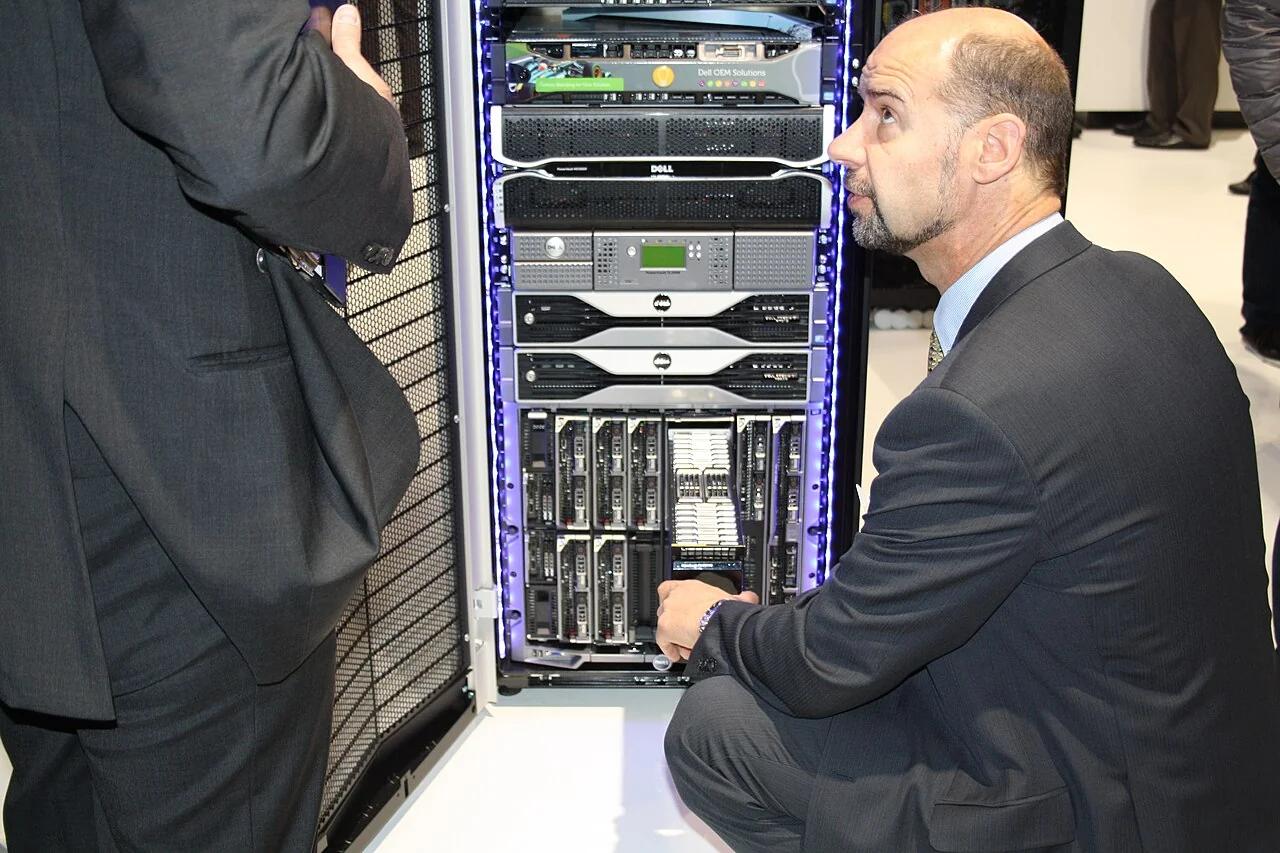

A practical design separates the fast path from administrative tasks and monitors both infrastructure health and trading state.
Alerts should catch stalled consumers, repeated broker rejections and position mismatches, not just high CPU usage. Keep recovery credentials secure and ensure an authorised operator can act when the main dashboard is unavailable.
Test failover with a written procedure. Decide who may restart execution, which system owns the current account state and how duplicate senders are prevented. Recovery should favour an understood, reconciled position over an automatic return to activity. A fast restart is not helpful if it repeats old orders.
Questions to ask before signing a platform contract
Request a demonstration of a rejected trade, a disconnected broker connection and a subscriber stopping copying with positions open. Ask to see the resulting user message, operational alert and audit record. A provider that only demonstrates the happy path has not shown how your money-related workflow behaves under pressure.
Separate service availability commitments from trading outcomes. Ask about support hours, maintenance windows, data export and incident communication. Document which functions remain available during an outage. The auto trading guide explains why a technically reliable platform can still run an unsuitable strategy with unacceptable financial risk.
Frequently asked questions
Does every social trading platform need microservices?
No. A well-structured application can be easier to maintain. Split services when scale or isolation justifies it, while keeping clear order state, permissions and recovery.
Is a broker API connection enough to launch copying?
No. You also need instrument mapping, sizing, order management and reconciliation. The service’s permissions, disclosures and legal obligations depend on how and where it operates.
What information should an execution audit trail contain?
Keep event IDs, timestamps, sizing decisions, risk checks, broker responses and configuration changes. Protect access and retain enough context to explain an incident without exposing credentials.
Evaluate the full instruction path
Use this architecture as a questioning framework, then verify the implementation with evidence. Start with our guide to data flow and execution speed in copy trading and build an event-level test plan. Clear ownership, reconciled positions and understandable failure behaviour matter throughout the system’s life.
Disclaimer
Educational information, not personal investment advice. Leveraged trading can cause substantial losses. Product availability, provider rules and costs vary by jurisdiction and can change. No affiliate links are used, and no returns or rankings are guaranteed.